UN Dialogue on AI-Powered Urban Futures
The Metaverse Institute was invited to speak in a United Nations webinar, “Co-governing the Citiverse,” focusing on the integration of digital twin technology, artificial intelligence (AI), and urban governance. The virtual event, scheduled for 5 December 2025 from 14:30 to 15:30 CET, is organized by the International Telecommunication Union (ITU) and the Global Cities Hub (GCH).
About the Organizers
International Telecommunication Union (ITU)
- A UN specialized agency for information and communication technologies (ICTs).
- Founded in 1865, it is the oldest existing international organization and became a UN Specialized Agency in 1947.
- Comprises 194 member states and over 1,000 sector members.
Global Cities Hub (GCH)
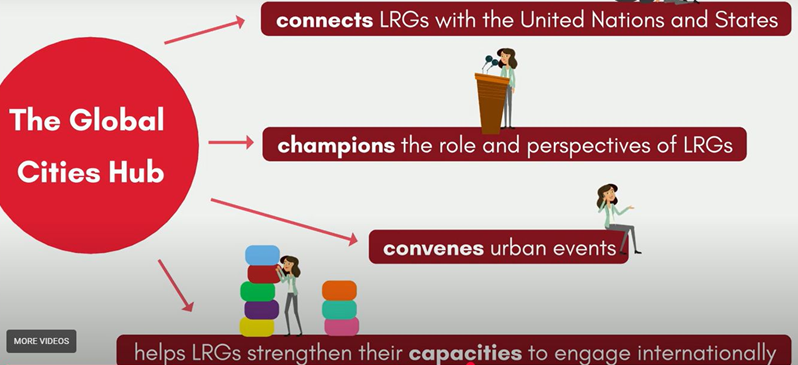
- A Geneva-based NGO dedicated to connecting cities and local/regional governments (LRGs) to the UN and multilateral system.
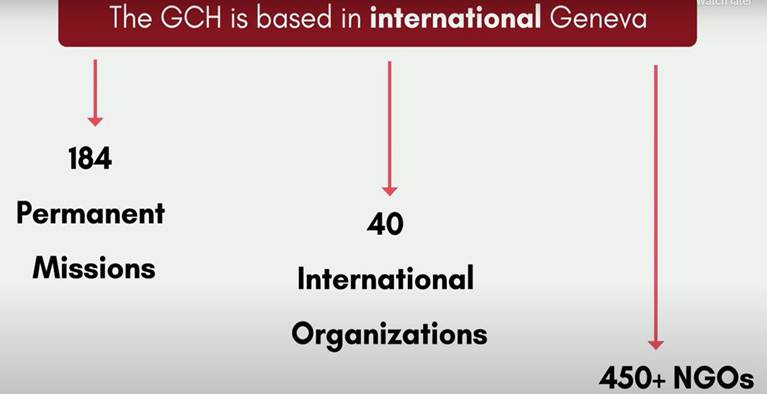
- Facilitates engagement between LRGs and 184 permanent country missions, 40 international organizations, and 450 NGOs.
The Citiverse Initiative
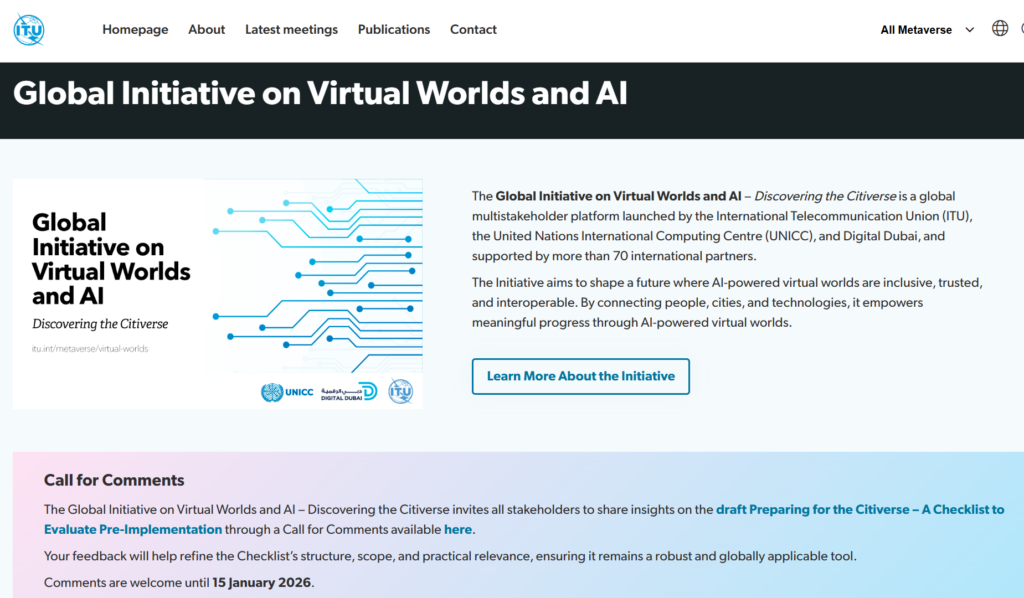
The webinar will spotlight the Citiverse, a global multistakeholder platform launched by ITU, the United Nations International Computing Centre (UNICC), and Digital Dubai, with support from 70 international partners. The initiative seeks to shape a future where AI-powered virtual worlds are inclusive, trusted, and interoperable, connecting people, cities, and technologies to drive meaningful progress.


Webinar Agenda
The session will provide a briefing on outcomes from “Citiverse Rising: Virtual Worlds and AI Agents for Urban Transformation,” held on 4 November 2025 during the Smart City Expo World Congress. It will outline how and why LRGs should engage in multistakeholder processes, featuring key topics:
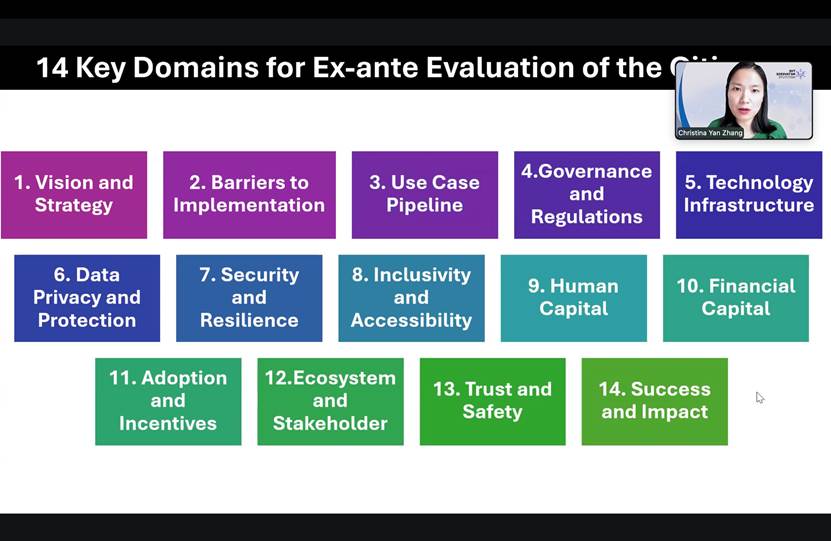
- Self-assessment: “Virtual Worlds and AI – Evaluation and Assessment” by Christina Yan Zhang.
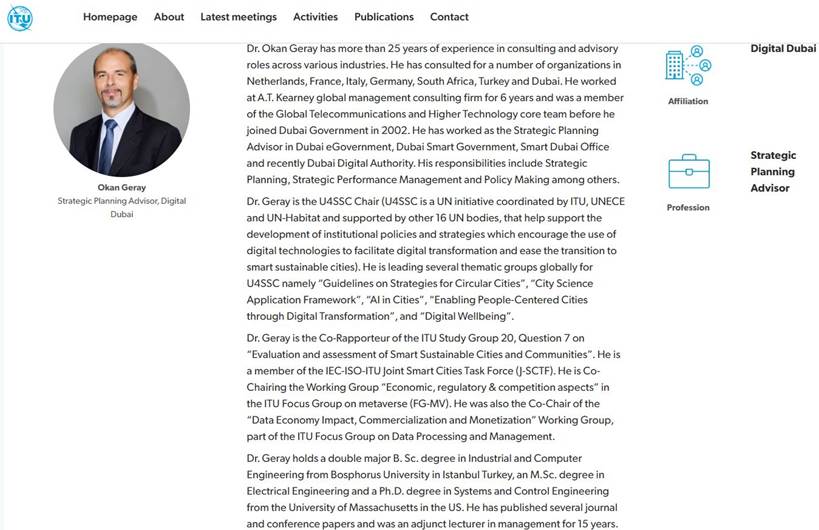
- Multistakeholder Collaboration: “United for Smart Sustainable Cities (U4SSC)” by Okan Geray.
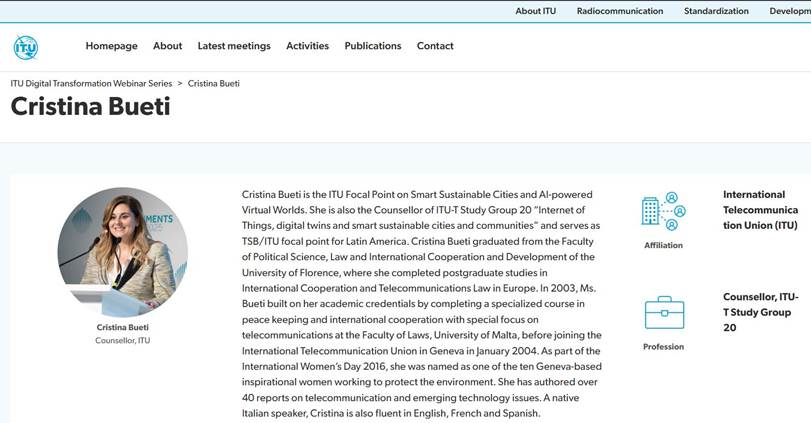
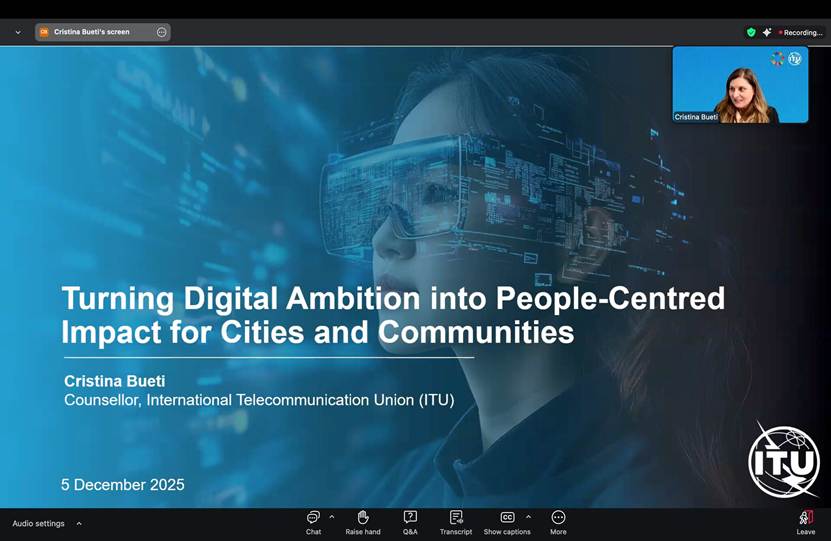
- Global Regulation: “UN Virtual Worlds Day and the Citiverse Assembly” by Cristina Bueti.
Confirmed Speakers
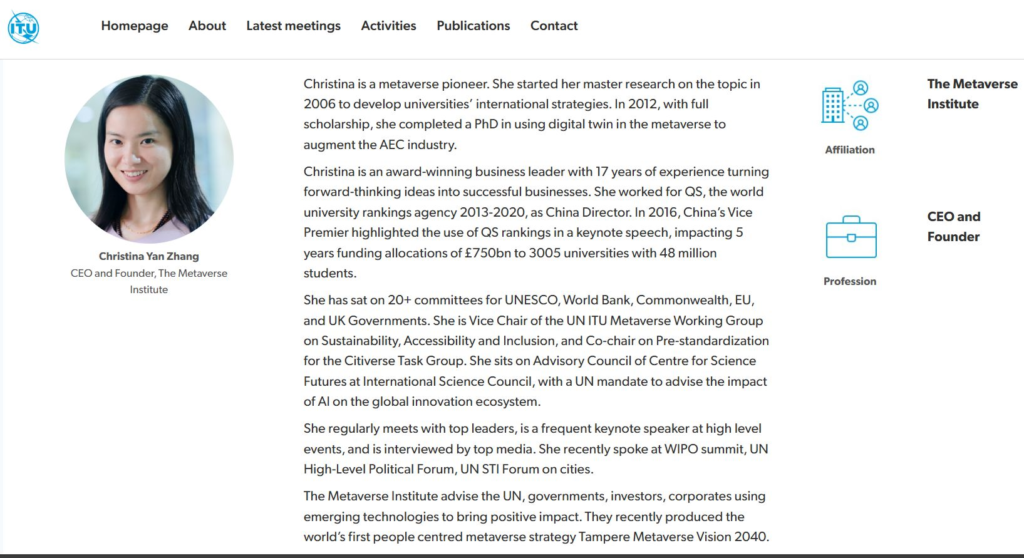
- Christina Yan Zhang, CEO, The Metaverse Institute
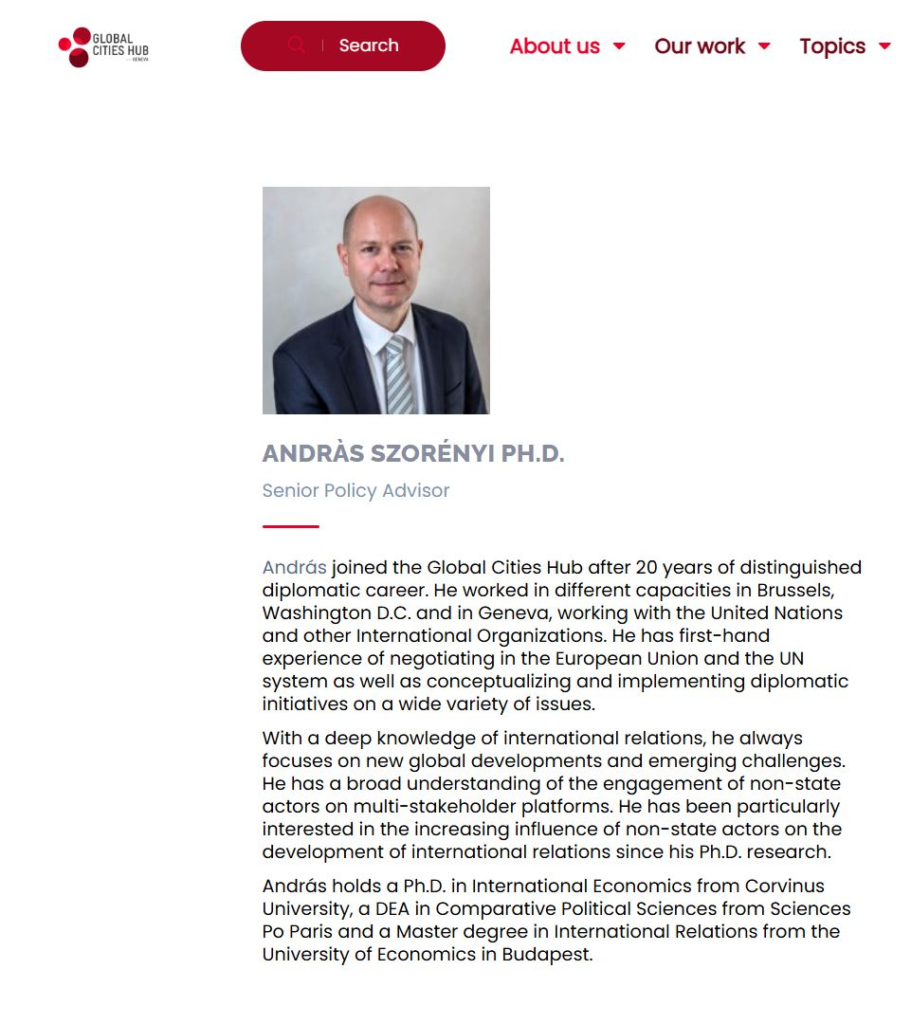
- Andras Szorenyi, Ph.D., Senior Policy Advisor, GCH
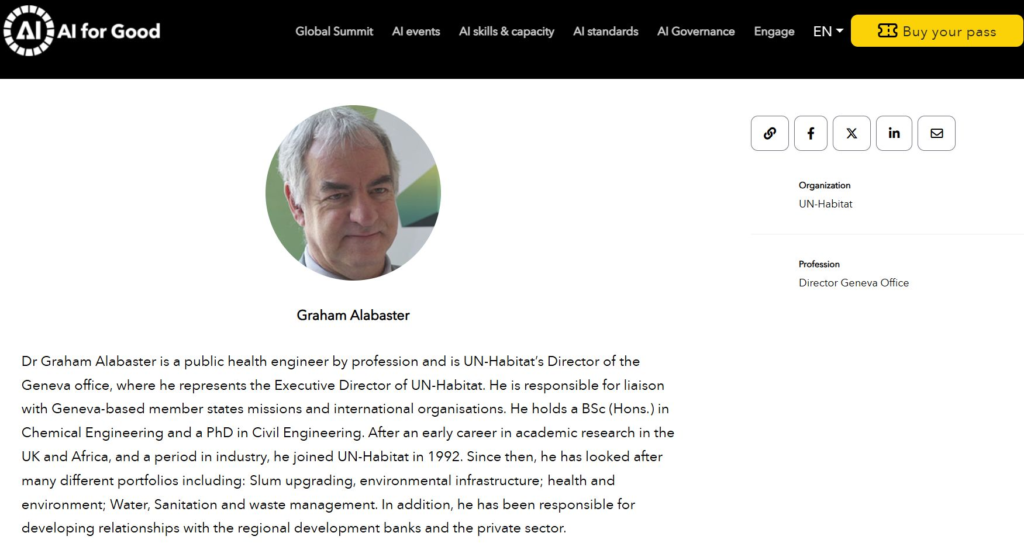
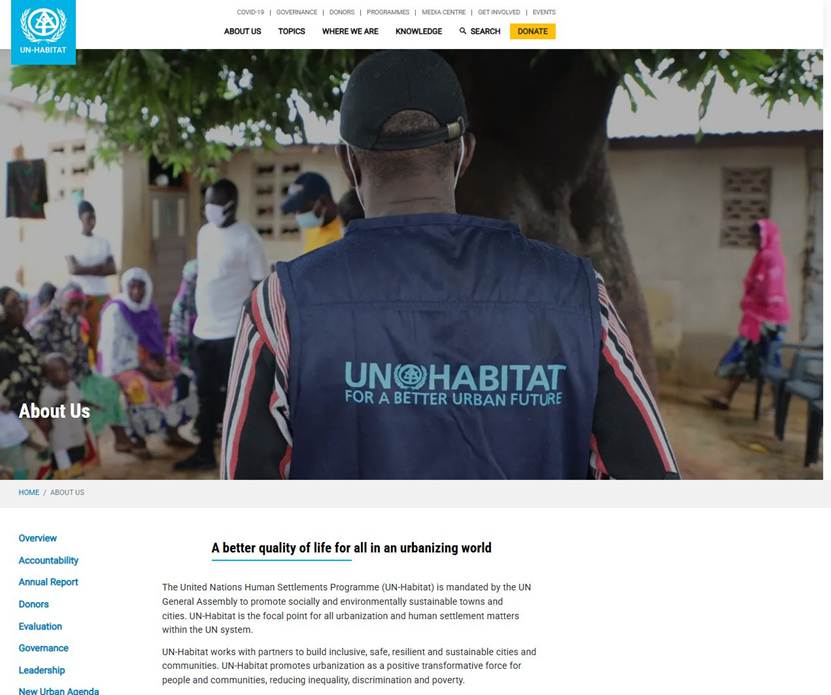
- Graham Alabaster, Chief of Geneva Office, UN-Habitat

- Cristina Bueti, ITU Focal Point on Smart Sustainable Cities and AI-powered Virtual Worlds
- Okan Geray, Chairman of the Global Initiative on Virtual Worlds and AI Steering Committee, Chairman of United for Smart Sustainable Cities, and Senior Strategy Adviser, Digital Dubai
Registration
Interested participants can register via:
https://lnkd.in/edj8XP3G
A Question for the Future: Prioritizing People and Planet
The dialogue takes place amid growing discourse on AI’s societal impact. On 20 November 2025, entrepreneur Elon Musk predicted that AI could make “jobs optional, money irrelevant” within 10–20 years. In response, urban planners, policymakers, and technologists are asking a critical question:
How can cities use AI-powered digital twins to explicitly prioritize human flourishing, civic identity, and sustainable co-existence, ensuring that technology serves people and the planet?
Digital twins—virtual replicas of physical environments—offer cities powerful tools for simulation, planning, and management. When guided by human-centered principles, they can:
- Enhance Human Flourishing
By modeling urban systems—from transportation to healthcare—digital twins can optimize for well-being, accessibility, and equity rather than mere efficiency. - Strengthen Civic Identity
Through inclusive participatory design, digital twins can incorporate community voices, preserving cultural heritage and fostering a sense of belonging in rapidly evolving urban landscapes. - Promote Sustainable Co-existence
Digital twins can simulate environmental impacts, support climate resilience, and model circular economies, aligning urban development with planetary boundaries.
Expert Perspectives
Cristina Bueti of ITU emphasized, “The Citiverse is not about technology for technology’s sake. It is about creating ethical, interoperable digital spaces that empower communities and protect our shared future.”
Okan Geray added, “Multistakeholder collaboration is essential. Cities, the private sector, and citizens must co-create these tools to ensure they address real human needs.”
The Metaverse Institute extends gratitude to Andras Szorenyi, Kamelia Kemileva, Anh Thu Duong, Simone Sessolo, and Cristina Bueti for their contributions to this event.
Key takeaways for governments, investors, corporates and innovators:
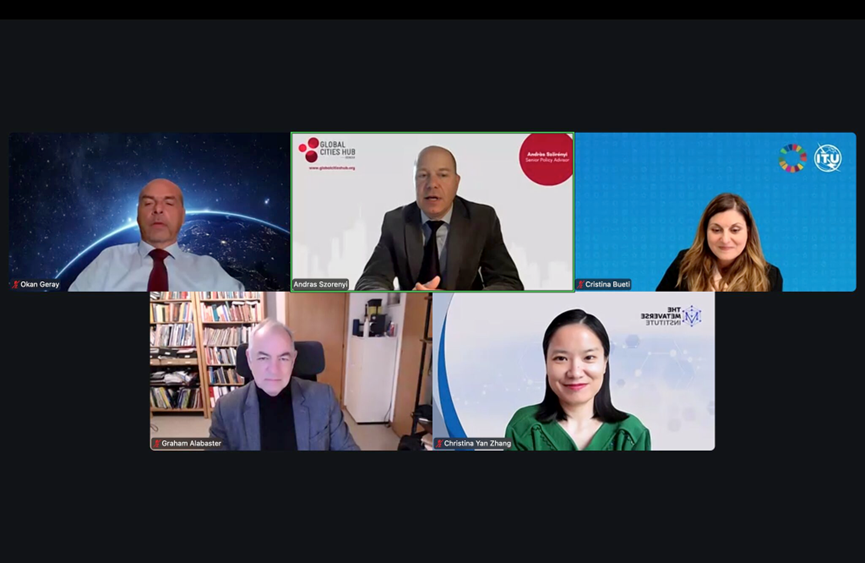
Speakers at the “Co-governing the Citiverse” webinar provided a virtual tour of multilateral processes and their main outcomes in the realm of smart cities, virtual worlds and AI, and the citiverse.
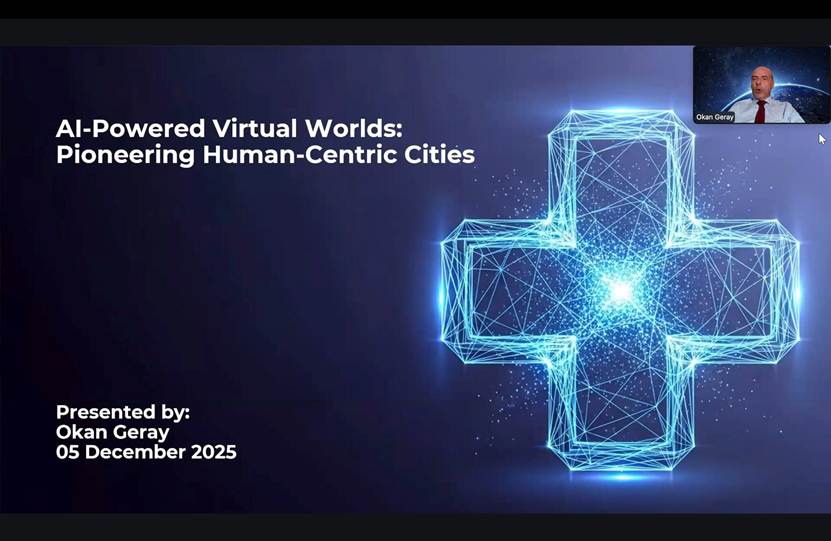
Following the opening remarks by Cristina Bueti of ITU and Graham Alabaster from UN-Habitat, the interventions explained the ongoing activities in three related workstreams – helping the audience discover how technological development, including the virtual worlds are transforming the way cities are designed, governed, and experienced. Cristina Bueti, Christina Yan Zhang and Okan Geray shared their vision on how public institutions may progress through their respective digital journeys.
Look at the recording if you have missed the live session.
ITU guides, frameworks and insights support cities to benefit from the capabilities of a smart city. U4SSC, a UN initiative led by ITU which encourages the use of digital technologies, facilitate digital transformation and ease the transition to smart sustainable cities. U4SSC thematic groups cover among others such important topics, as:
- Use of Artificial Intelligence in Cities
- Digital Public Infrastructure for Cities
- Enabling People-Centred Cities through Digital Transformation
- Future Foresight for Cities
- Social-cultural Sustainability in People-centred City Governance
The deployment of digital technology, and especially the creation of virtual worlds using AI leads us into a new era of urban development where systems become more autonomous. We can benefit from the increased capacity of these systems to build more inclusive and resilient cities and communities if we think together and translate it to public value.
All speakers of the Geneva Urban Debate agreed that technology is a tool to address humanity’s challenges. It is our responsibility to define the clear purpose of using it to advance human-centred development. Mayors and city officials need to make sure that the developments meet the local agenda and are relevant to people’s needs on the ground. Ideally, they are also aligned with global frameworks, such as the SDGs and with national development plans to maximize synergy.
As explained, the evolution of spatial computing enables us to create virtual worlds, such as the citiverse, where human-centric municipal services are easily accessible and easy to use. If developed properly they can contribute to reducing the cognitive gap as well.
However, citiverse is not an aim in itself. It is a totally new way of how we can address local issues. The community should decide on the key priorities and local leaders should take action to realize them. The different tools developed by international organizations, especially ITU and UN Habitat help assess where the city is and how to get where it wants to be.
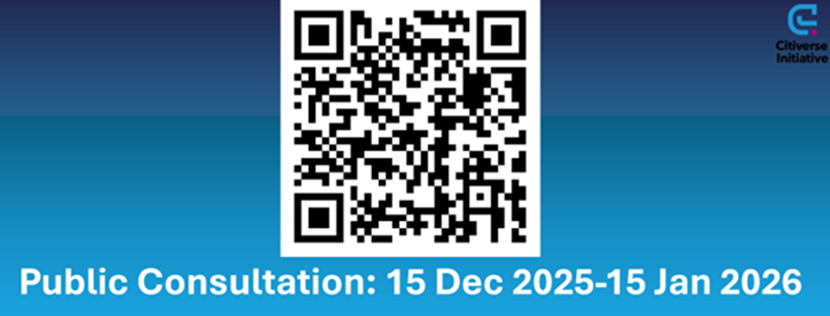
Mayors are expected to offer a vision, a strategy, an implementation framework and take concrete steps. Embracing the new technology contribute to delivering results. Peer-to-peer dialogue can help overcome fear from the unknown. Initiatives by international organizations, such as the “Global Initiative on Virtual Worlds and AI – Discovering the Citiverse” help expedite the digital journey by avoiding the repetition of missteps and unnecessary reinventing of processes. Its evaluation and assessment track offers a pre-implementation checklist. A public consultation starts on 15 December 2025 till 15 January 2026 by the UN.
Following the United Nations webinar “Co-governing the Citiverse,” The Metaverse Institute extends its sincere gratitude to the key contributors who made the dialogue possible, acknowledging their dedication to shaping an inclusive digital future.
Special Thanks
The Institute extends particular appreciation to:
- Andras Szorenyi, Ph.D., Senior Policy Advisor, Global Cities Hub
- Kamelia Kemileva, Co-Director, Global Cities Hub
- Anh Thu Duong, Co-Director, Global Cities Hub
- Simone Sessolo, Event and Digital Content Coordinator
- Cristina Bueti, Counsellor, International Telecommunication Union
Their collective efforts facilitated a crucial multilateral conversation on governing AI and virtual worlds in service of sustainable urban development.
An Open Question for Urban Futures
The webinar’s discussions arrive amid profound global reflections on artificial intelligence’s societal role. On 20 November 2025, technologist Elon Musk predicted that AI could render “jobs optional, money irrelevant” within 10–20 years.
This provocation raises a foundational question for city leaders, planners, and citizens worldwide:
“How can cities use AI-powered digital twins to explicitly prioritize human flourishing, civic identity, and sustainable co-existence, thereby ensuring technology serves people and the planet?”
Pathways Forward
Insights from the webinar suggest several guiding principles:
- Purpose-Driven Design
Digital twins must be developed with clear social and ecological outcomes—such as enhancing well-being, preserving cultural heritage, or modeling climate resilience—not merely operational efficiency. - Civic Governance & Co-Creation
To counter corporate-dominated virtual spaces, cities should establish participatory governance models, enabling communities to shape digital twin deployments that reflect local values and needs. - Assessment Before Action
Tools like the Institutional Readiness Self-Assessment Tool (IRSAT) can help cities evaluate their capacity to deploy technology ethically and inclusively, ensuring they “go slow to go right.” - Alignment with Global Frameworks
Linking digital twin strategies to the UN Sustainable Development Goals and local sustainability plans can ensure technology advances broad public value, not isolated commercial interests.
Your Perspective Matters
As spatial computing, AI agents, and virtual worlds become urban reality, the question of “why” matters more than “how.” The Citiverse is not an end in itself, but a means to address enduring human needs: belonging, agency, equity, and ecological stewardship.
We invite policymakers, technologists, urbanists, and engaged citizens to share their views:
How should cities steward these powerful tools to foster societies where technology amplifies our humanity rather than diminishes it?
Responses and continued dialogue can be directed to the event organizers and participating institutions.
*This article was prepared following the UN webinar “Co-governing the Citiverse,” held on 5 December 2025 and organized by ITU and the Global Cities Hub. The views expressed are intended to stimulate further public discussion.*