Cardano Summit 2025: Charting the Convergence of AI, Blockchain, and a Trust-Based Digital Economy
Berlin, Nov 13 2025 — The Cardano Summit 2025 concluded as a landmark event for the global blockchain ecosystem, attracting over 25,000 online participants and convening 800 regulators, investors, innovators, and enterprise leaders from 70 countries. Among the key voices was The Metaverse Institute, which participated actively in dialogues shaping the next generation of digital infrastructure.
The summit’s overwhelming scale—featuring 140 speakers—signalled a decisive shift: blockchain technology has moved beyond theoretical debate into a phase of robust, institutional adoption aimed at rebuilding the foundations of the global economy.
Core Insights: Where AI Meets Blockchain Infrastructure
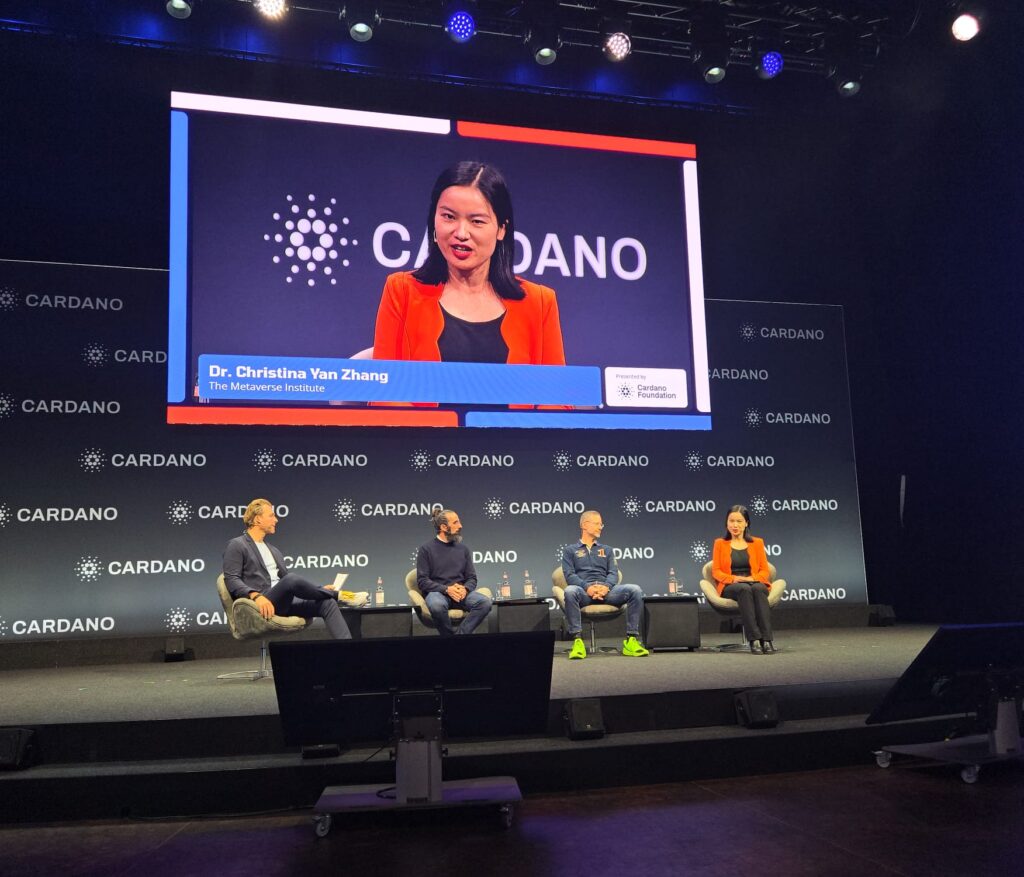
In a dedicated session, Dr Christina Yan Zhang, CEO of The Metaverse Institute delved into the critical infrastructure supporting artificial intelligence, a discussion featuring Domingo Nofre (CTO, Infomineo), Dr. Daniel Diemers (Chairman, SNGLR Group), and Florian Krüger-Herbert (Head of Innovation, Johnson & Johnson). The conversation tackled foundational challenges:
The imperative for nuclear-powered, carbon-free electricity to sustainably power AI workloads.
Innovations in next-generation data storage technology.
Addressing the growing water scarcity crisis exacerbated by data centres.
Navigating the hype cycle and systemic risks inherent in rapid AI advancement.
(Dr Christina Yan Zhang, CEO of The Metaverse Institute spoke on the critical infrastructure supporting artificial intelligence, a discussion featuring Domingo Nofre (CTO, Infomineo), Dr. Daniel Diemers (Chairman, SNGLR Group), and Florian Krüger-Herbert (Head of Innovation, Johnson & Johnson).
The dialogue underscored that AI’s future is inextricably linked to physical and digital infrastructure—and that blockchain is poised to play a crucial role in securing its integrity.
You can watch the full discussion here.
Key Takeaways from the Summit
1. The Foundational Vision: Trust as the New Digital Imperative
The summit established a core thesis: in an age of AI and digital complexity, blockchain’s ultimate value is as a global trust infrastructure.
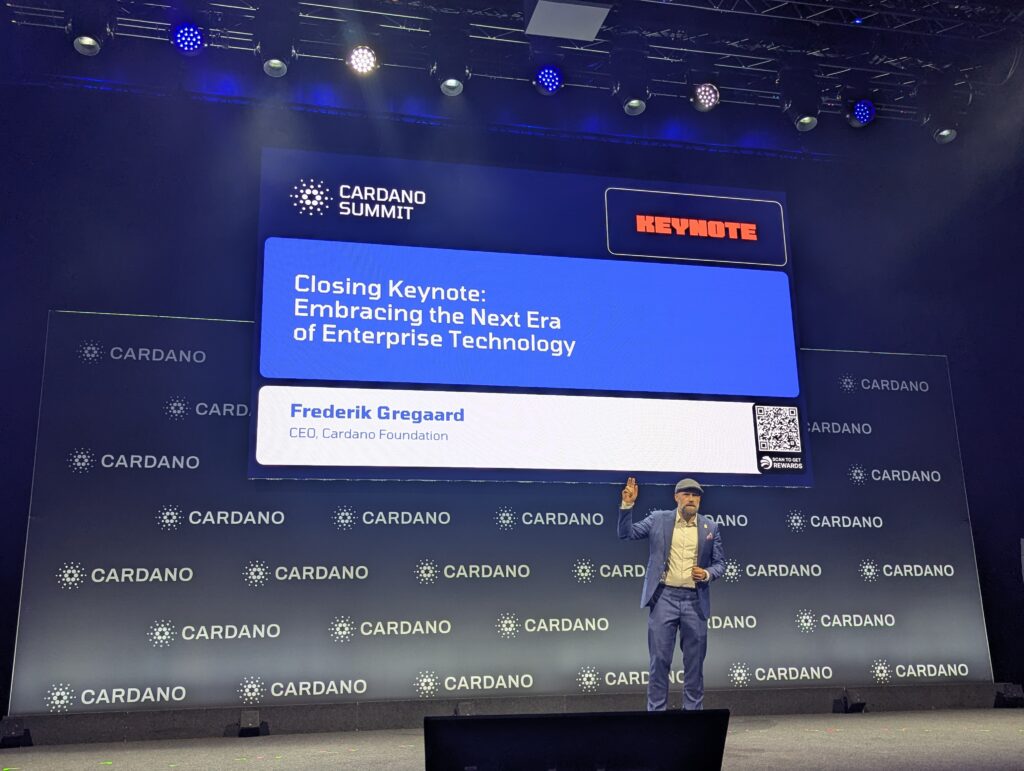
An Army of Changemakers: Frederik Gregaard, CEO of the Cardano Foundation, framed the movement as an “army of changemakers” actively rebuilding the digital economy’s foundations.
The Architecture of Trust: Doug Heintzman of the Blockchain Research Institute introduced a five-layer Digital Trust Infrastructure designed to embed verifiable trust into the fabric of global commerce.
The Trust of Decentralization: Echoing this, investor Tim Draper argued that decentralization itself is the highest form of trust, as it distributes power and fosters innovation.
2. The Core Use Case: Digital Identity Driving Enterprise Adoption
A unanimous theme was that Digital Trust and Identity (DID) are the primary drivers for enterprise blockchain integration.
Solving the Security Crisis: Thomas A. Mayfield (Cardano Foundation) and Robby Yung (Animoca Brands) highlighted that compromised identity causes 80% of data breaches, positioning zero-knowledge proofs (ZK-proofs) as the critical “silver bullet” for privacy.
The Path to 2030: Experts from Gartner and the Global Legal Entity Identifier Foundation (GLEIF) mapped a clear path to widespread DID adoption by 2030, with Cardano’s Veridian identity solution detailed as a key player.
Enterprise Readiness: Giorgio Zinetti (Cardano Foundation CTO) and Stefan Schmitt (Blockdaemon) urged corporations to prepare for a new era of verifiable trade and payments on scalable, secure infrastructure.
Tim Draper Founder Draper Associates, speaking at the Cardano summit
3. The Strategic Convergence: AI Meets Blockchain
The summit highlighted a powerful synergy between AI and blockchain, with Cardano positioned as the ideal foundation.
The Verifiable Backbone for AI: Florian Krueger-Herbert of Johnson & Johnson stated that blockchain is the essential backbone for verifying data used by AI agents, particularly for critical decision-making in fields like healthcare.
Foundations for the Agentic Economy: Sebastian Küpers (Plan.Net Group & Masumi) declared Cardano the “best foundation for the agentic economy,” a vision expanded by Don Tapscott (Blockchain Research Institute), who unveiled Identic AI—a concept for Web3-powered personal digital agents.
4. Real-World Utility: Finance, Assets, and Global Impact
Discussions moved beyond theory to showcase tangible adoption and utility.
Traditional Finance’s Tipping Point: Dr. Bernhard Kronfellner (BCG) observed a seismic shift, where traditional finance has moved from “if” to “how fast” to integrate digital assets, driven by regulatory clarity and “FOMO.”
Stablecoins Enter the Mainstream: Christian Rau (Mastercard) and Kwon Park (Crypto.com) confirmed that stablecoins are now solving real-world problems like cross-border payroll, treasury management, and efficient payments.
Tokenizing the Physical World: The focus on Real-World Asset (RWA) tokenization was clear. André Vanyi-Robin (Plastiks) discussed its application for the EU’s Digital Product Passport, while Monty Metzger (LCX) announced Toto Finance’s integration with Cardano for tokenized commodities.
Blockchain for Global Governance: Francine Pickup of the UNDP highlighted the UN’s use of blockchain for transparent and auditable aid distribution, proving its utility for public good.
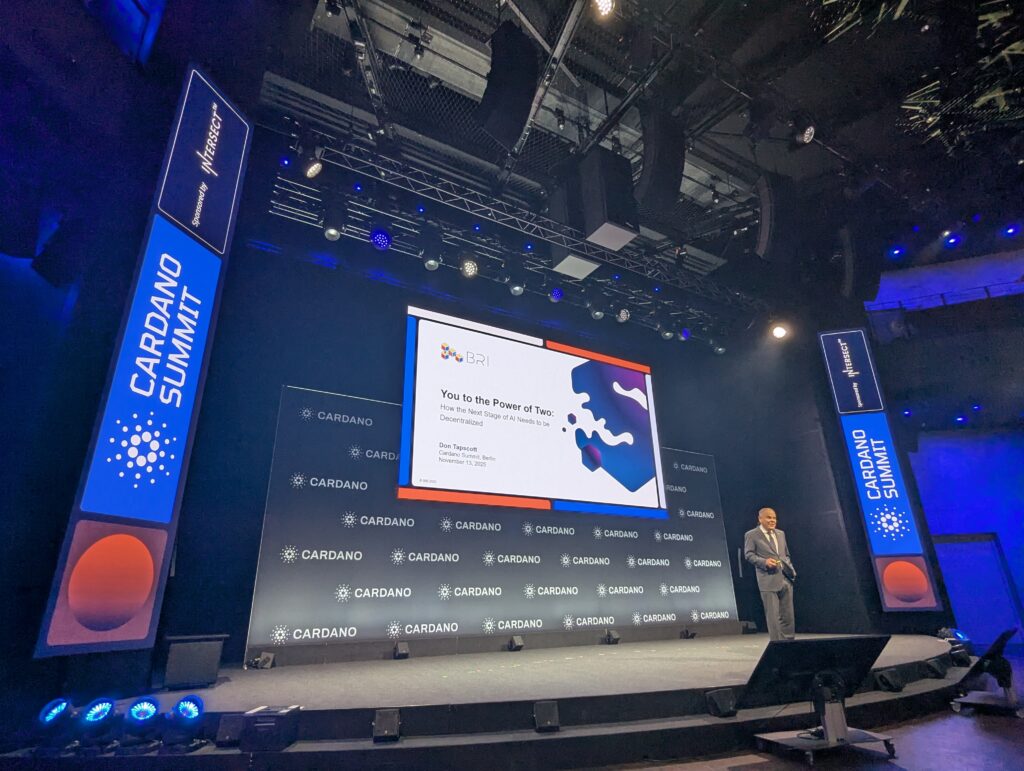
(Don Tapscott, Godfather of Digital Economy gave the closing keynote speech at the Annual Cardano Summit 2025 where he mentioned the name of Dr Christina Yan Zhang, CEO of The Metaverse Institute a few times. You can see his video here.
5. Ecosystem Growth: The 2026 Roadmap and Tools for Builders
The summit concluded with a clear action plan for the ecosystem’s growth, backed by new capital and products.
The Strategic Roadmap: The Cardano ecosystem’s 2026 priorities are DeFi liquidity, seamless Web3 integration, and enterprise-grade RWA tokenization.
Fueling Adoption & Innovation: Frederik Gregaard announced the Cardano Accelerator Program and the Cardano x Draper Dragon ecosystem fund (with Samiz Bayan), signaling major institutional backing for future growth.
Building for Permanence: Ward Pennemans (Tokenance) emphasized blockchain’s unique capability for verifiable data retention that “outlives systems,” ensuring long-term integrity for enterprise use.
This synthesis captures the summit’s momentum: Cardano is evolving from a pioneering blockchain into a trusted public infrastructure for a decentralized, AI-assisted, and verifiably fair digital economy.
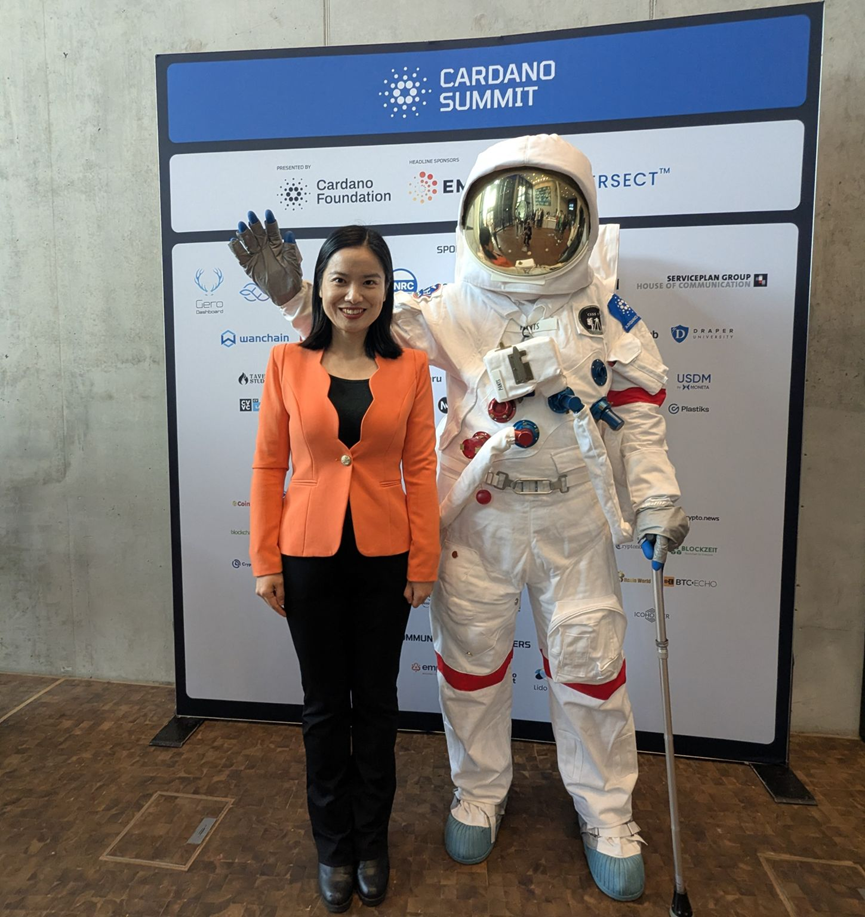
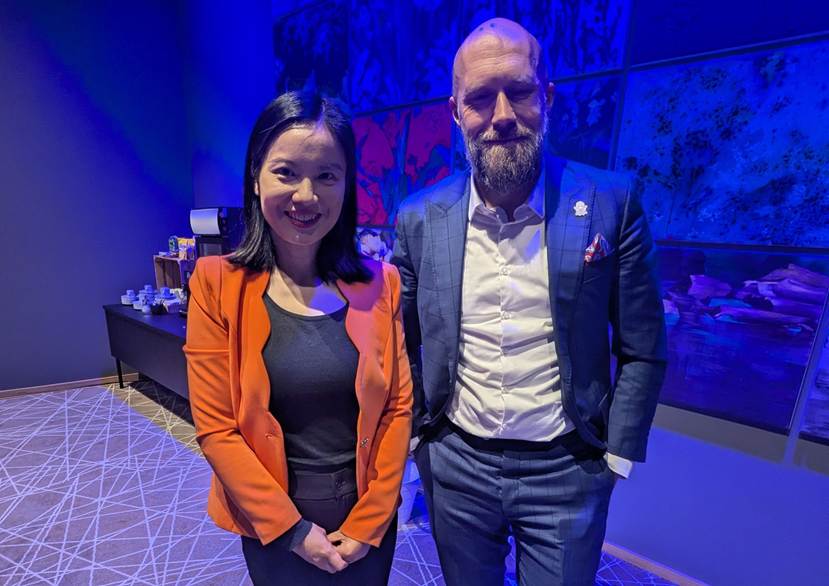
(Dr Christina Yan Zhang, CEO of The Metaverse Institute met meeting with Frederik Gregaard CEO Cardano Foundation to collaborate on web3 for global impact at The Annual Cardano Summit 2025)
Strategic Engagements and Forward Momentum
The Metaverse Institute forged significant connections during the summit:
A productive meeting with Frederik Gregaard, CEO of the Cardano Foundation, explored collaborations on leveraging Web3 for global impact, facilitated by Sandro Tarchini, Global Head of Business Development.
An honor to connect with Don Tapscott, Chairman of the Blockchain Research Institute, a pioneer who has championed the digital economy for three decades. In his closing keynote on safeguarding privacy in an era of personal digital twins, Tapscott generously highlighted the Institute’s work.
A stimulating 30-minute interview with Cardano’s Alexander F. Moser extended into a invitation for a deeper, three-hour dialogue on applying Web3 to address the world’s most pressing challenges.
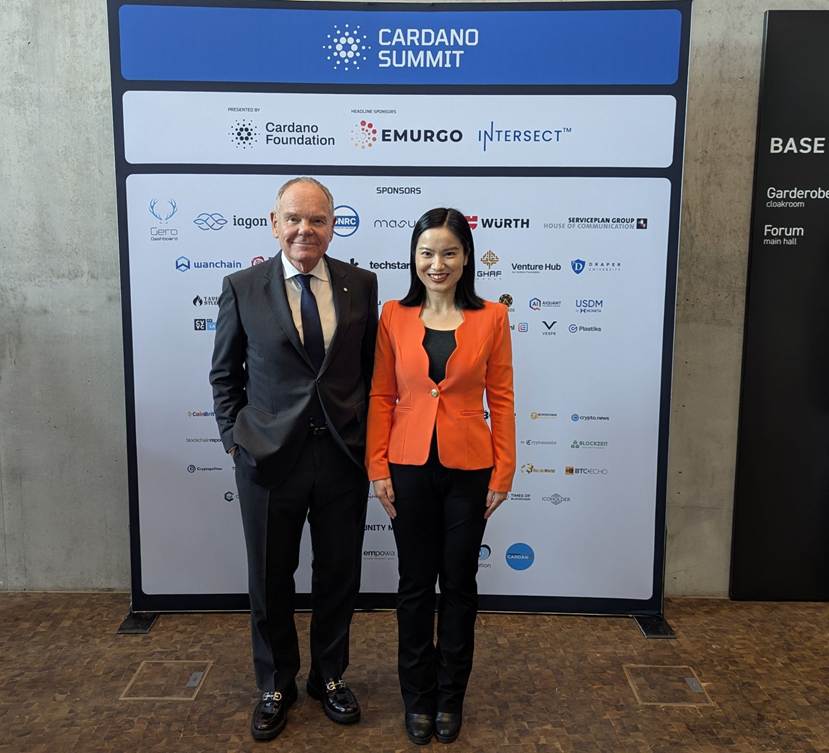
(Dr Christina Yan Zhang, CEO of The Metaverse Institute with Don Tapscott, Godfather of Digital Economy at The Annual Cardano Summit 2025)
The Pivotal Question: Tokenizing the Future
The summit’s discussions culminated in a critical forward-looking question posed by Dr Christina Yan Zhang, CEO of The Metaverse Institute:
“Given the institutional tokenization momentum—exemplified by Nasdaq’s filing for a platform targeting $500 billion in daily volume and Standard Charterer’s forecast of a $30 trillion tokenized market—can Cardano’s peer-reviewed, scientifically rigorous architecture provide the trustworthy blockchain layer to tokenize the world’s $97 trillion government debt market? Could this unlock unprecedented global liquidity to fund the major AI infrastructure developments the world urgently needs?”
(Dr Christina Yan Zhang, CEO of The Metaverse Institute and Don Tapscott, Godfather of Digital Economy handed out with Cardano team after the Annual Cardano Summit 2025)
This inquiry sits at the nexus of finance, technology, and global development, challenging the ecosystem to translate its principles of trust and verification into solutions for macroeconomic scale.
The Cardano Summit 2025 has made it clear: the builders are here, the institutions are engaged, and the framework for a new digital economy is being actively constructed.
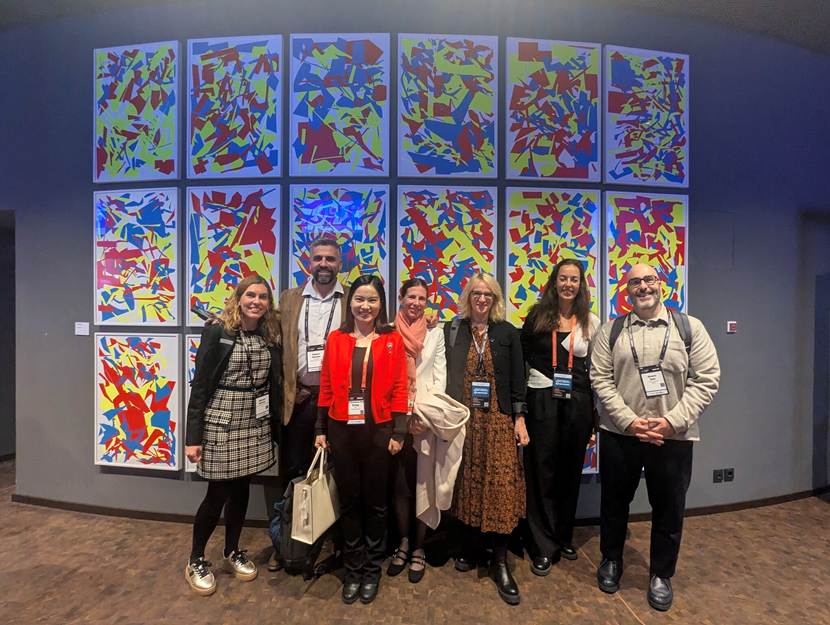
(Dr Christina Yan Zhang, The Metaverse Institute with the speakers from different UN agencies at the Cardano Annual Summit)
Tokenisation is reshaping key financial sectors, enabling efficiency and accessibility.
The financial industry is seeing a fundamental shift with tokenisation, a blockchain-based approach to creating digital representations of real-world assets. As blockchain matures, banks, fintechs and regulators are increasingly looking to leverage this technology to build cross-border, multi-jurisdictional networks, enabling new efficiencies and amplifying access to a wider array of assets. Tokenisation’s potential to streamline processes, democratise ownership and enhance liquidity is reshaping finance, but scaling these projects to real-world applications involves navigating significant regulatory and operational challenges.
Tokenisation in finance involves creating a digital version of physical or financial assets that can be recorded and tracked on a blockchain. This enables assets ranging from real estate and commodities to government bonds to be broken down into smaller, tradeable units. Blockchain, as a decentralised digital ledger, records ownership and transactions in a transparent, immutable way, which is critical in an industry where accountability and transparency are paramount.
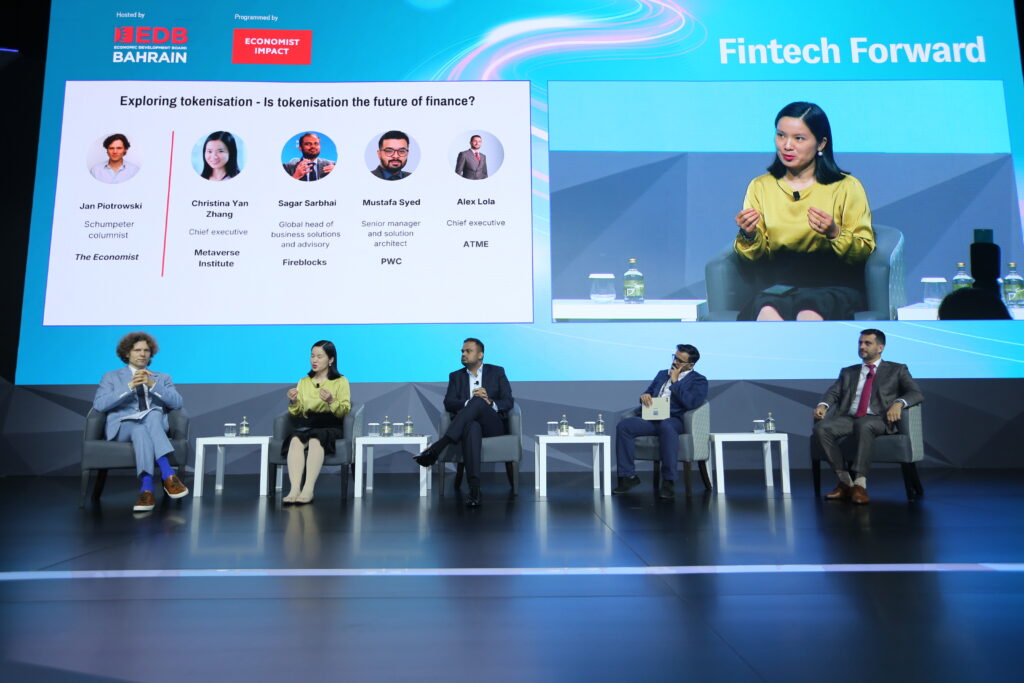
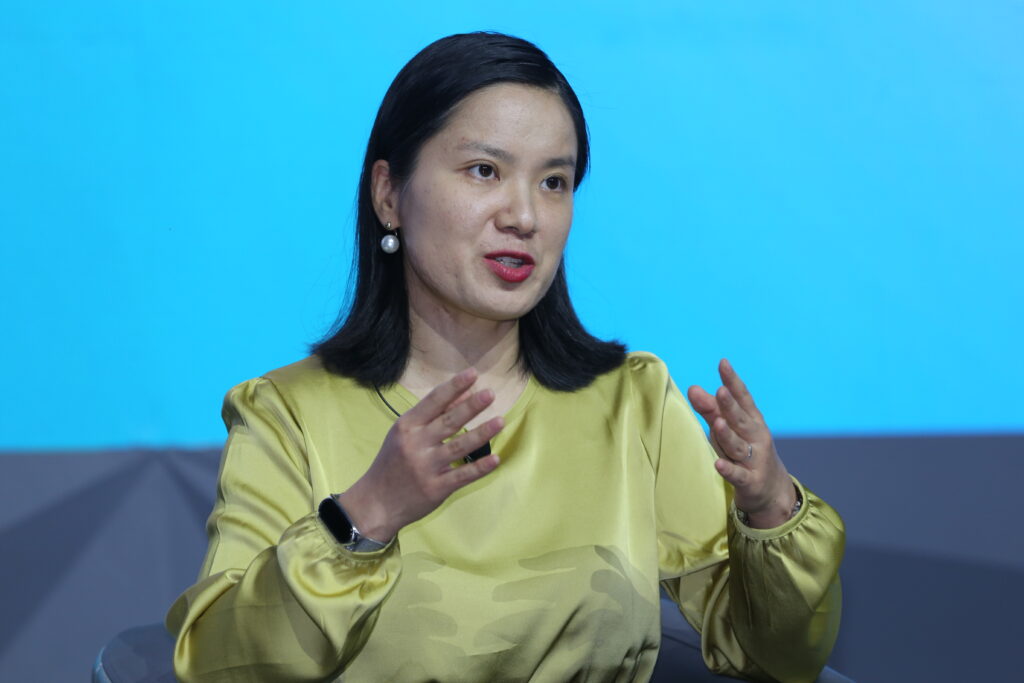
“Tokenisation means we create a digital representation of real-world assets on blockchain,” said Christina Yan Zhang, CEO of the Metaverse Institute. “It can be any kind of traditional financing, equities, debt, bond, or even physical assets like real estate and art.” Zhang’s comments reflect a broader industry consensus that blockchain’s transparency could solve persistent inefficiencies in traditional financial systems, especially in high-value markets with limited liquidity and accessibility.
Whether it’s tokenised deposits, stablecoins or central bank digital currencies, that really will power the entire ecosystem and the adoption of tokenised assetsSagar Sarbhai
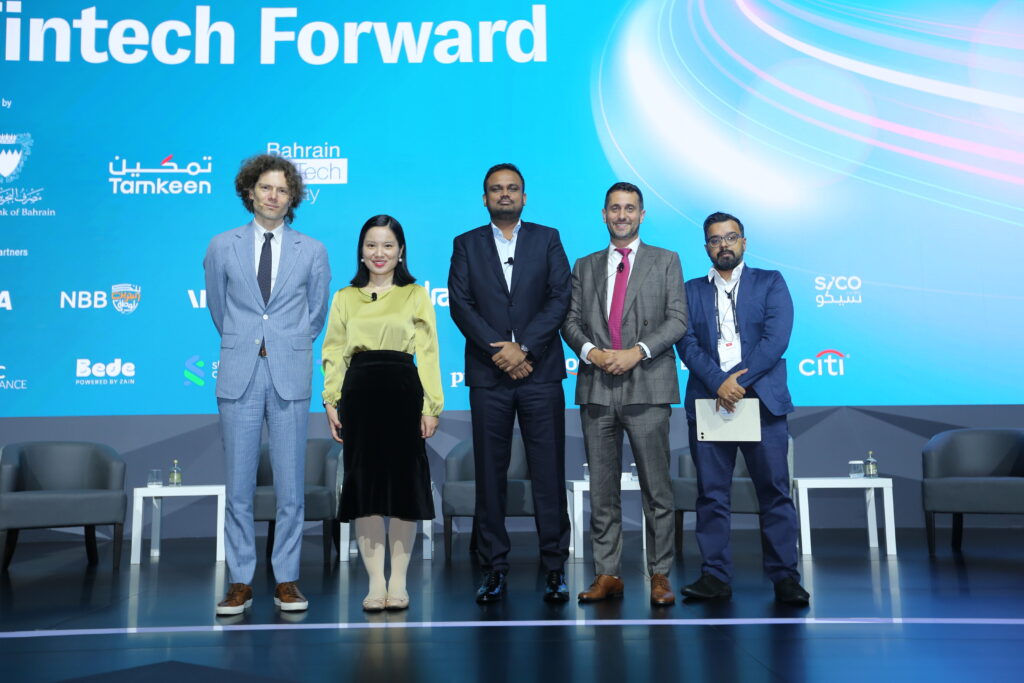
According to Mustafa Syed, Senior Manager and Solution Architect at PwC tokenisation has, so far, found the greatest traction in payment solutions and digital currencies, driven by increasing interest from central banks and private institutions. “If we look at the growth of digital currency, that has been the most prominent use case for tokenisation in the last six to seven years,” Syed explained at the Bahrain Fintech Forward summit. This trend is especially evident in the Middle East, where the UAE and Bahrain have rolled out frameworks regulating private forms of digital tokens, such as stablecoins, paving the way for tokenised cross-border transactions.
Expanding beyond payments
The financial services sector is currently seeing the most benefits from tokenisation in payment systems, where stablecoins and central bank digital currencies (CBDCs) are being trialled as part of new tokenised frameworks. The global stablecoin market, according to estimates from PwC, has already grown to a range of $140-$260 billion, reflecting the appetite for digital assets that combine the speed of blockchain with the stability of traditional assets.
Sagar Sarbhai, Global Head of Business Solutions and Advisory at Fireblocks, noted that tokenisation’s scope is expanding from speculative crypto trading into utility-driven applications like money markets, digital payments and lending. “Whether it’s tokenised deposits, stablecoins or central bank digital currencies, that really will power the entire ecosystem and the adoption of tokenised assets,” he said. Tokenised bonds, such as the money market fund issued by BlackRock via Securitize, exemplify tokenisation’s utility in finance, where digitisation lowers entry costs for investors and opens previously illiquid markets to smaller investors.
Real estate and commodities
Beyond financial assets, tokenisation has enabled fractional ownership in traditionally high-value sectors like real estate and commodities, where investment was once limited to wealthy investors. Real estate, for instance, requires high capital commitments, making it inaccessible to most individual investors. Tokenisation allows these large assets to be divided into smaller, affordable units, which can then be traded more flexibly. This creates new access points for investors and enhances liquidity in the real estate market, which traditionally sees longer holding periods and limited secondary market trading.
We are in the middle of this tokenisation journey or cycle, and we think there’s tremendous opportunity, but we do need close regulatory oversightMustafa Syed
Earlier this year, ATME, a Bahrain-based company licensed by the Central Bank of Bahrain, launched tokenised investments in commodities such as precious metals and aircraft, making these assets accessible to retail investors. “Each token represents a title right to the metal,” explained its CEO Alex Lola. Unlike ETFs that only provide derivative exposure, tokenised assets give investors a direct ownership interest in the underlying asset, avoiding the management fees and counterparty risks associated with ETFs. The fractionalised ownership structure lowers the entry barrier for smaller investors, making tokenised assets more accessible while still aligning with regulatory frameworks.
Bond markets and automated compliance
Tokenised bonds are another area where blockchain technology is transforming finance. In traditional bond markets, issuing and servicing bonds involve significant administrative overhead, including manual processing and compliance checks, which can lead to errors and delays. Tokenised bonds simplify these processes, allowing issuers to automate compliance through smart contracts that self-execute predefined actions, such as dividend payments or interest payouts, based on the terms embedded in the blockchain.
This automation offers significant cost reductions and improved accuracy, which are crucial for high-volume markets. BlackRock’s $1.35 billion tokenised money market fund has demonstrated tokenisation’s potential to provide both cost efficiencies and enhanced liquidity, something that is especially valuable for smaller retail investors who have historically been excluded from these markets.
A similar approach is being tested in corporate debt markets, where tokenisation allows for tokenised bonds to be issued on blockchain networks, reducing settlement times and lowering transaction costs. In high-interest environments, where timing and liquidity are critical, this reduction in settlement times can be a powerful incentive for institutional adoption.
Central bank initiatives and BIS
Tokenisation’s expansion into mainstream finance, however, hinges on regulatory frameworks and compliance standards. While the technology’s transparency and efficiency appeal to institutions, regulatory bodies need to create guidelines addressing security, volatility and operational risk concerns. In this regard, collaborative efforts like the Bank for International Settlements (BIS) Project Mariana are working to develop tokenised financial frameworks that integrate CBDCs and commercial bank deposits onto a single programmable ledger, allowing cross-border, multi-jurisdictional transactions.
The BIS initiative, supported by central banks from regions as diverse as Europe, Asia and Latin America, represents a step towards global standards for digital currencies. These standardisations are essential if tokenised assets are to achieve mass adoption, as cross-border transactions and international investments will require a level of regulatory interoperability that current systems lack.
In the Middle East, regulators are making strides in providing frameworks that allow for tokenised assets, with countries like the UAE and Qatar adopting regulatory measures that encourage the growth of tokenised payment systems. Syed said that tokenisation’s growth in these regions reflects a unique alignment between government-backed initiatives and private sector interest. “We are in the middle of this tokenisation journey or cycle, and we think there’s tremendous opportunity, but we do need close regulatory oversight,” he added, stressing the importance of risk-sensitive approaches to protect consumers and financial stability.
Institutional dynamics
While transformative, tokenisation raises questions for traditional financial institutions that derive their market power from centralised systems and relationships with clients. Banks and asset managers are now assessing whether tokenisation represents a competitive threat or an opportunity for collaboration. As Sarbhai noted, tokenisation allows banks and other financial institutions to “reduce settlement times and lower costs,” potentially letting banks to streamline cross-border payments, which historically rely on intermediaries like SWIFT.
This isn’t just about replacing traditional finance; it’s about finding where tokenisation can add value in the existing structureChristina Yan Zhang
The tokenised financial ecosystem is seeing early adoption by institutions such as BlackRock, which has shown how blockchain can enhance the efficiency of money market funds and create liquidity in traditionally illiquid markets. Still, fully integrating tokenisation into the financial industry will require that traditional institutions redefine their role, likely balancing tokenised services with conventional financial products to meet client demand while managing risks.
Some experts argue that tokenisation is less about disruption than integration. As Zhang from the Metaverse Institute put it, “This isn’t just about replacing traditional finance; it’s about finding where tokenisation can add value in the existing structure.” Tokenisation could, therefore, operate as a complementary system that works alongside traditional financial infrastructure, gradually shifting certain high-cost or complex processes to blockchain networks while retaining established systems for risk management and large-scale transactions.
Government debt and infrastructure
While tokenisation is seeing its strongest adoption in finance, its application is spreading to other sectors, including government debt and public infrastructure. In parts of Africa, governments have partnered with private providers to tokenise national bonds backed by real assets, such as natural resources, as a way to reduce reliance on traditional lenders. By tokenising government debt, these countries can attract global investors, providing more liquidity to their economies while managing the political and economic risks often associated with sovereign debt.
The use of blockchain and smart contracts also ensures that bondholders receive their interest or principal payments regardless of potential political changes. “It gave a lot more trust,” said Zhang, referring to the increased confidence international investors gain from blockchain’s security and transparency features. This approach demonstrates tokenisation’s potential to provide financial stability in markets where traditional financing may be limited due to risk concerns.
United Nations initiatives are exploring tokenisation as a means to fund infrastructure in emerging markets, particularly in smart city projects that require substantial capital and long-term investments. Zhang co-chairs a UN working group focused on frontier technology for smart cities, which is investigating how tokenising national or municipal debt could facilitate financing for local governments to build physical and digital infrastructure. This model could prove essential as urbanisation accelerates and emerging economies seek new financing models to support sustainable growth.
While tokenisation’s advantages are clear, the transition from experimental proof-of-concept projects to full-scale, real-world applications requires further developments in regulation, infrastructure and institutional collaboration. As more central banks, financial institutions, and regulatory bodies work together to define standards, tokenisation is likely to gain traction across finance and beyond. However, reaching mass adoption will depend on establishing regulatory frameworks that protect investors, ensure transparency, and minimise operational risks.
If successful, tokenisation could redefine financial products and services, streamlining transactions, reducing fees, and opening up access to new asset classes for a broader range of investors.
Today, it’s almost impossible to open your phone without scrolling across a mention of the ever-looming virtual worlds. The meteoric rise of Web3, metaverse, and digital twin technologies have led to some brilliant breakthroughs separately, but the real impact of the present and future will be how these technologies converge. These technologies are a new realm that grants infinite access to every experience imaginable, and it feels suddenly closer than we ever thought possible.
Like any innovation, some emerging technologies are characterized by hyperbole and hysteria. The dramatic rise of cryptocurrency and the whole hype bubble bursting in 2022 had many doubting the future of Web3 and declaring the death of the metaverse. However, tech evangelists believe that “initial mistakes” are no reason to throw the technologies out the window.
Changing the Game
“With Web2 (the current version of the web) and other technologies, there was no revelation of what it would be like. Sometimes, like in startup life, you make mistakes, but through trial and error, you get to what it will be as a business model. Something that we are all happy to engage with over a long time,” said Sebastien Borget, Co-Founder of The Sandbox, a unique virtual world built on Web3 concepts.
In games like The Sandbox, where the Web3 principles are embedded into their metaverse design, “true ownership” lies with the player, and anything earned as a gamer or creator can be utilized across not only one but many platforms. “Web3 and blockchain are truly changing the game,” adds Borget.
Anas Bhurtun, CEO and Co-Founder of Arts DAO, a decentralized autonomous organization representing the largest Web3 / NFT community in the Middle East, echoes a similar sentiment.
”Web3 represents a change where the customer effectively owns a stake in the product brand that is issuing something in some sense. That is a huge change in mindset. The real innovation is how the customer becomes passionate about their stake in this instrument.”
But is it too soon to assume that ownership matters to the customer?
Borget believes the idea of ownership underlying it is not necessarily the first thing you sell to someone, but it’s a powerful one. “It’s not just about owning and potentially making money off it. That is part of it. Yes, you can make money as a customer of the underlying token issued by the brand, but there is an incredible tribalistic need in the human condition to be part of something more than just yourself,” adds Bhurtun.
For bigger enterprises, the buzzwords don’t matter. This year, in May, Emirates Group and Amazon Web Services announced a new collaboration to create an immersive extended reality platform tailored for the airline’s personnel in the UAE. This innovative iXR platform, primarily intended to benefit cabin crew, new recruits, and industry collaborators, incorporates 3D virtual hubs, virtual training modules, gamified settings, and simulated experiences.
“Many enterprises approach the technology through a more conservative model, which includes calculating the ROI, the risks involved, the impact on the brand, etc. It is more like sandbox testing so that we are sure whatever we provide to our passengers and internally as an organization is coming in at the right time and in the right form,” said Ismail Issa, Head of Web3 and Metaverse, Emirates Airline.
Experts emphasize that things will take time to build, and Web3, metaverse, and digital twins are bringing real value to businesses.
Twinning into the Metaverse
Giving an example of a real-life situation when a baby is born during a flight or an unexpected fire in the aircraft, Issa said, “When you have an enterprise metaverse or immersive extended platform, it helps with a more realistic experience, and enables the cabin crew to handle the situation better.”
“The metaverse has increasingly become a convergence of a whole new range of technologies. Perhaps among the metaverse environments, the most significant application is digital twin,” said Dr. Christina Yan Zhang, CEO and Founder of UK-based The Metaverse Institute.
“There are many different layers of digital twin that can be utilized on a city level to support people-centered city developments and push sustainability goals,” she added.
The concept of digital twins is not new. It was born at NASA in the 1960s as a “living model” of the Apollo mission. Fast forward to 2022, Singapore became the first nation in the world to clone the entire island into the virtual world.
The European Commission’s flagship initiative, The Destination Earth(DestinE), aims to develop a highly accurate digital model of the Earth with an initial focus on the effects of climate change and extreme weather events, their socio-economic impact, and possible adaptation and mitigation strategies.
“Digital twin is going to be applicable everywhere you can think of –manufacturing, healthcare, retail, financial systems,” said Maher Al Kaabi, Independent Board Member and Advisor to Group Chairman, Alserkal Group.
Airports are a critical link to the global transportation system, and streamlining the operations and making travel seamless for passengers has been a top priority for the airline industry.
“We have pockets of areas called real-time DXB, which is a real-time digital view of every airport, every airplane that lands and takes off, how they park, how they depart. And we have a real-time view of all our guests,” said Tareque Choudhury, Vice President-Technology, Dubai Airports.
“Digital twin is taking all that data and creating a holistic view of all airport operations so that our control center can have a real 3D view for a more contextualized view of airport operations. This will enhance airport operations, give us a lot more safety and security, and optimize passenger experience,” he added.
In Saudi Arabia, real estate group Roshn is leveraging digital twin from an urban design perspective, integrating it with virtual reality and community infrastructure planning.
“We use it to go through the design concept that we have and get feedback from customers in terms of where the improvements are needed,” added Jayesh Maganlal, Group Chief Information and Digital Officer of Roshn.
Global car manufacturer BMW recently partnered with Nvidia to build a digital replica of the company’s 400-hectare plant in Debrecen, Hungary, which will be operational in 2025.
Having a digitally simulated factory for large enterprises before the physical one takes shape helps save millions of dollars by better planning and optimizing industrial processes, mitigates the risk of costly mistakes, and accelerates team effort.
Building something so vast virtually doesn’t come easy and is extremely challenging. A successful digital twin strategy requires a comprehensive collection of personnel, infrastructure, data, and more.
“Simulating the real world is quite a task. It’s time and cost, first and foremost. It’s a huge amount of data that needs to be processed. So, computing capabilities need to be faster and cheaper. And obviously, data transfer must be faster and cheaper to get mass adoption,” said Dr. Hamid Haqparwar, Managing Director, BMW Group, Middle East.
“The other challenge is data security and safety because everything is in the cloud,” he added.
Al Kaabi stresses the need for alignment with the company, stakeholders, and board members. He advised against jumping onto the bandwagon if the company doesn’t have a use case and the importance of training and upskilling talent.
“Having a clear business objective and data strategy, ensuring data quality, privacy and security are key. The outcome is as good as your data,” added Maganlal.
New technologies are growing and will play a more crucial role in the years to come. The best thing organizations can do is to decide what they want, gain some experience and metrics, and identify where they can grow. The leap will be worth the payoff if everyone in the organization is aligned and understands the goals and vision.
As with any emerging technology, it’s crucial to critically assess the potential benefits and challenges while keeping an open mind to their future possibilities. Over time, these technologies evolve, find practical applications, and become more integrated into our daily lives.
_________________________________________________
The NextTech Summit was hosted by MIT SMR Middle East on September 20, 2023. The panels on the virtual worlds were moderated by Paul Dawalibi, CEO, Holodeck Ventures and Riaz Naqvi, Senior Editor, Hill+Knowlton Strategies.
The event had Technology Innovation Institute as the presenting partner and Digital Dubai as the strategic government partner. G42 and Boston Consulting Group joined as the strategic sponsor and the gold sponsor.
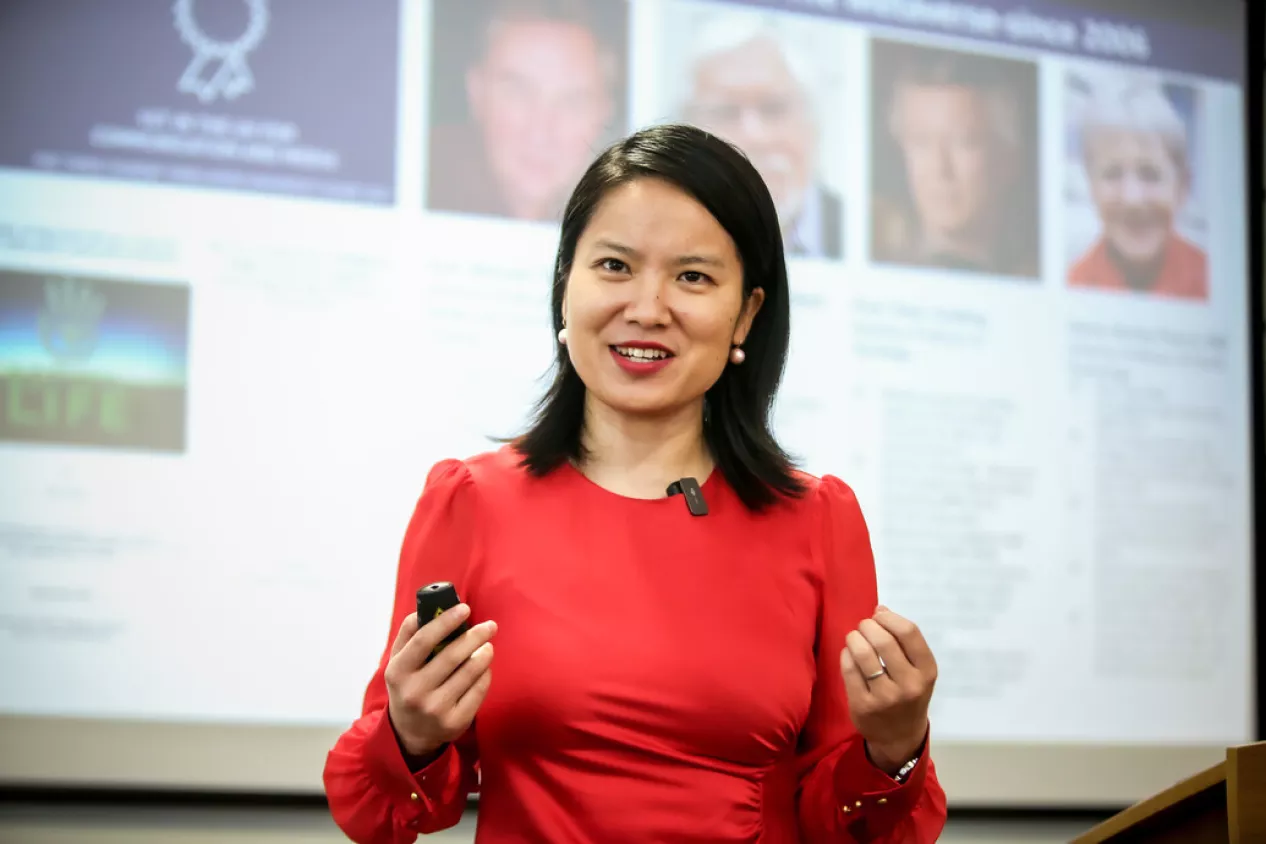
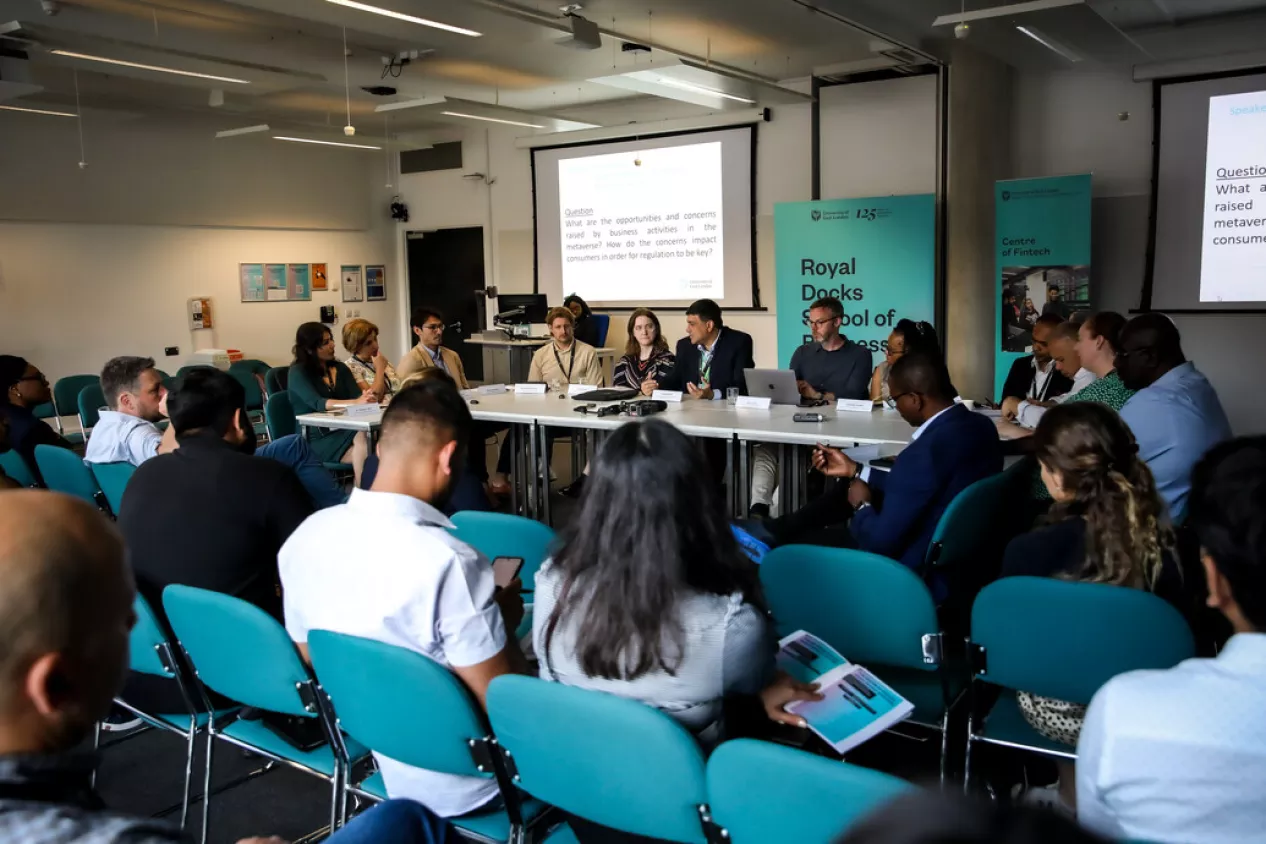
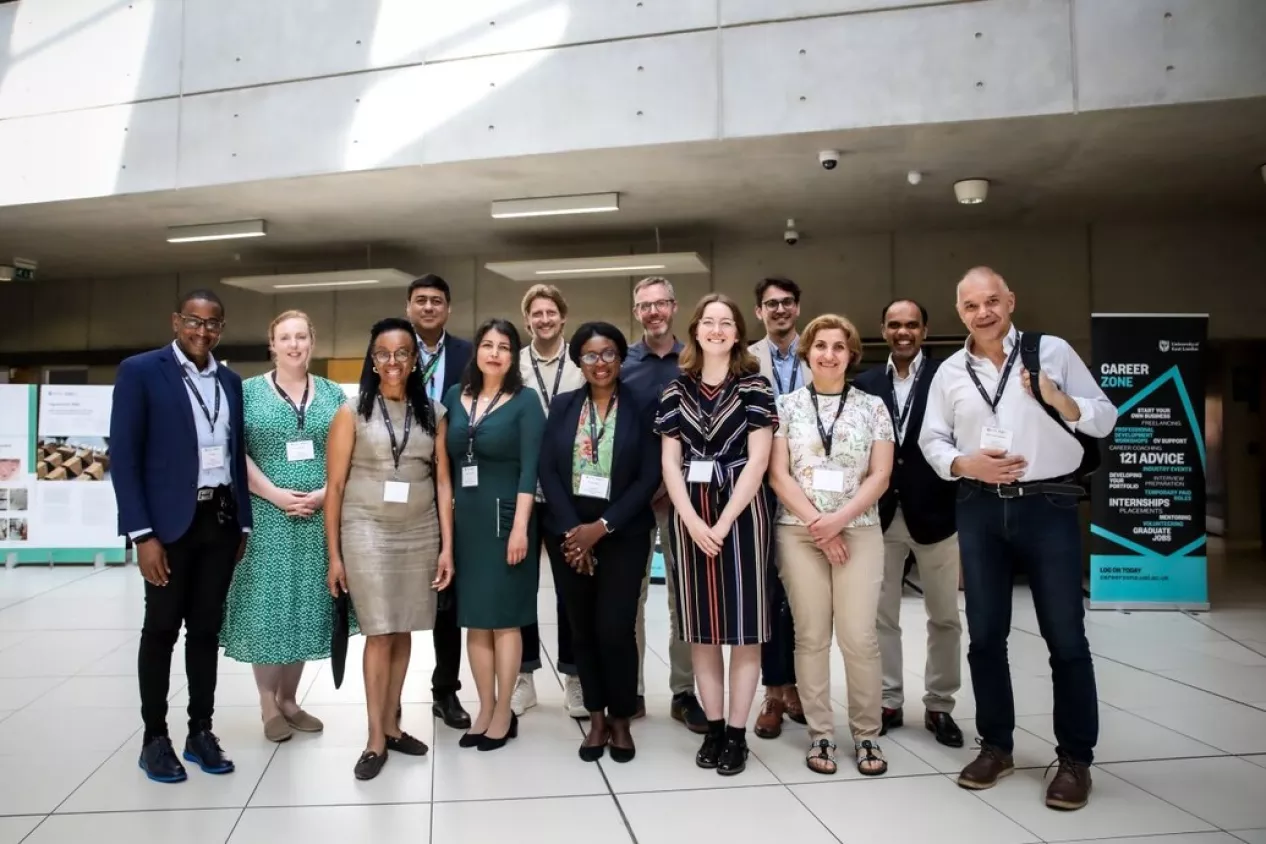
The event was put together by the Director of the Centre of FinTech, Dr. Iwa Salami with Interim Dean Shampa Roy-Mukherjee and Professor Matt Bellgard giving welcome addresses and Dr. Christina Yan Zhang delivering the keynote speech which can be watched on YouTube.
“The rationale for this event was to create an opportunity for discussion, among key industry players in the space, on: the evolution of the metaverse; its meaning; and identifying opportunities and risks. It was also to consider the areas of concerns for UK-based regulators around the possibilities of financial services in the metaverse. Creating the opportunity for these discussions aligns with the vision of the Centre to become the global centre for the creation and communication of practice-led knowledge that enables FinTech to be more inclusive, robust and sustainable.”
Across the day, the Centre welcomed highly esteemed lead speakers, including Roland Emmans, Nicole Sandler, Dr. Ruth Wandhöfer, Jehangir Byramji, Adriana Ennab, Kirk Chang, Siraj Sait, Emma Leech, Darren Montgomery, Teresa Cascino and Pavle Avramović. Contributors to the roundtables included Barry James, Matthew Cheung, Sharjeel Ahmed, Ina Alogwu, Elizabeth Uwaifo, Cornelius Glackin, Prof. Kofi Kufuour, Prof. Vassilis Fouskas, Prof. Nazrul Islam, Dr. Julie Wall and Dr. Fahimeh Jafari with Dr. Iwa Salami and Nick Cook moderating.